 Calibro
Attendee Travel
Road, rail and air travel by attendees, speakers, event staff and production crews.
Calculate emissions across attendee travel, venue energy, accommodation, catering, logistics, materials and waste. Plan reductions, offset residual emissions and maintain a complete carbon record for every event.

Sustainable Events Summit
In progressConvention Centre, Bengaluru, India
Estimated emissions
53.4 tCO₂e
Calculate emissions from event operations, suppliers and participant activity.
Identify material emission sources and record planned reduction actions.
Select eligible carbon projects for residual event emissions.
Generate the event carbon report and retain offset and retirement evidence.
Platform
Work through concrete modules without separating the calculator, participant records and offset evidence from the final report.
Record dates, venue, format, attendance, calculation boundaries and the emission categories that apply.
Use category-specific inputs for travel, venue energy, accommodation, catering, logistics, materials, waste and digital participation.
Record reduction actions against the footprint, assign their status and keep the evidence connected to the event.
Invite attendees to submit travel activity and reconcile those records with the organizer’s event footprint.
Review eligible carbon projects and connect a selected portfolio to the event’s residual footprint.
Maintain offset quotes, transactions, event allocations and retirement evidence in the same workflow.
Bring boundaries, assumptions, calculations, reductions, project allocations, transactions and retirement records into one report.
Create a public-facing view of the event footprint, selected projects and documented completion status.
Emission categories
Select the categories in scope, record exclusions and replace estimates with activity data as it becomes available.
Review Calculation MethodologyRoad, rail and air travel by attendees, speakers, event staff and production crews.
Electricity, backup generation, heating and cooling used across the event venue.
Hotel stays and room nights associated with attendee, speaker and staff travel plans.
Meals, beverages, service formats and food choices provided across the event program.
Equipment, materials and supplier freight transported to and from event venue sites.
Printing, staging, signage, merchandise and temporary installations used by the event.
Food waste, recyclables, landfill and other disposal streams generated by the event.
Streaming, virtual attendance and digital infrastructure supporting remote participation.
Operational context
Use an event-specific workflow for conferences, exhibitions, forums, ceremonies and hybrid programs.

01 / 06
Manage attendee travel, venue energy, accommodation and multi-day catering in one event record.
Interactive calculator demo
Move the sliders and choose a venue and menu to see how attendance, travel, accommodation and event operations change the estimate.
Carbon Footprint
259.7 tCO₂e
Per attendee
866 kg CO₂e
Venue Electricity
231 kWh
Emissions by category
Other assumptions
Operational context
Move beyond a single total. Each source needs its own activity data, assumptions and reduction response.

01 / 07
Record local, domestic and international journeys by transport mode and distance.
Review travel inputs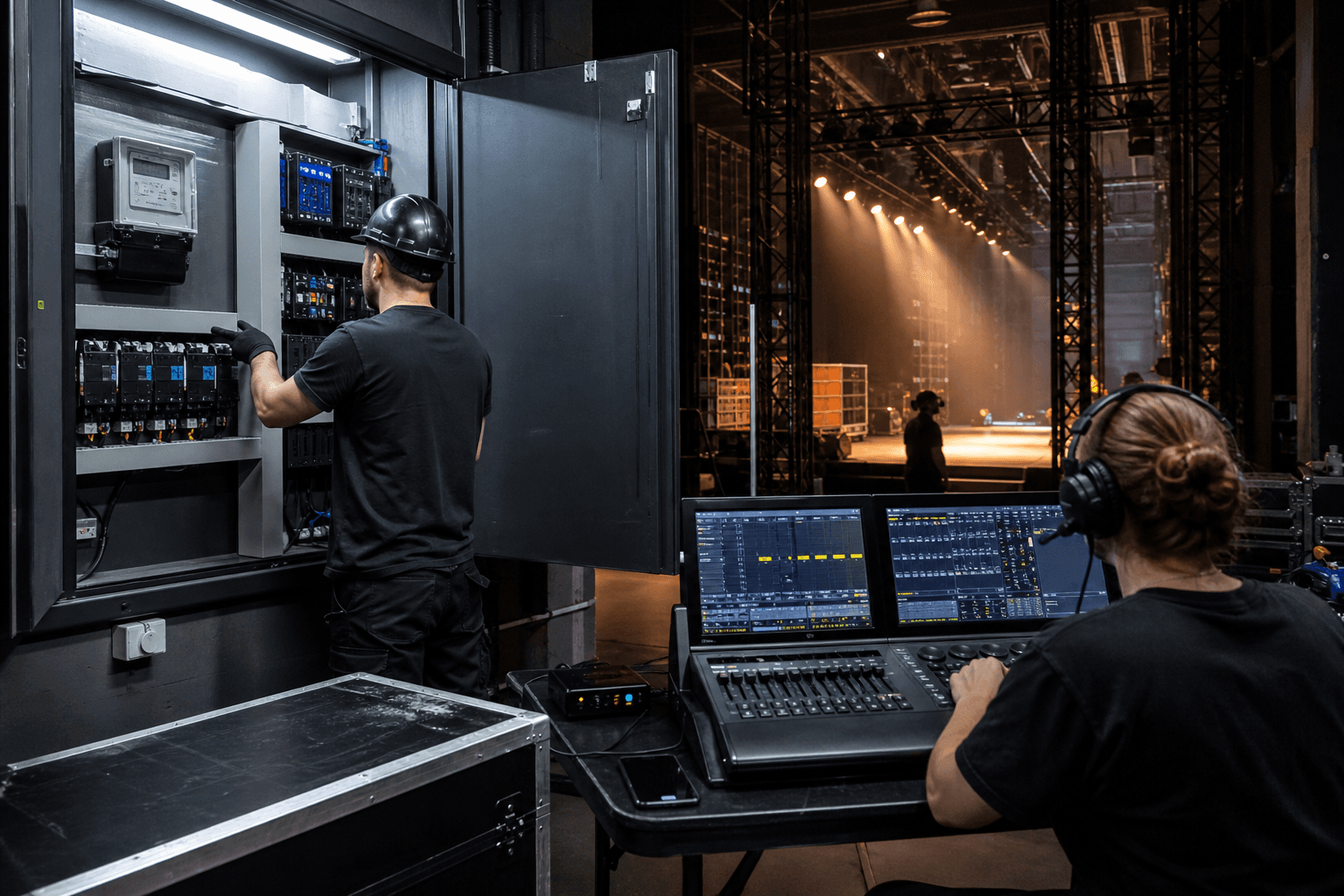
02 / 07
Use meter data where available or a documented venue-size and operating-hours proxy.
Review methodology
03 / 07
Calculate room nights by accommodation type and recorded event stay patterns.
Review accommodation inputs
04 / 07
Account for meals, beverage service, menu type and relevant attendee volumes.
Review catering reductions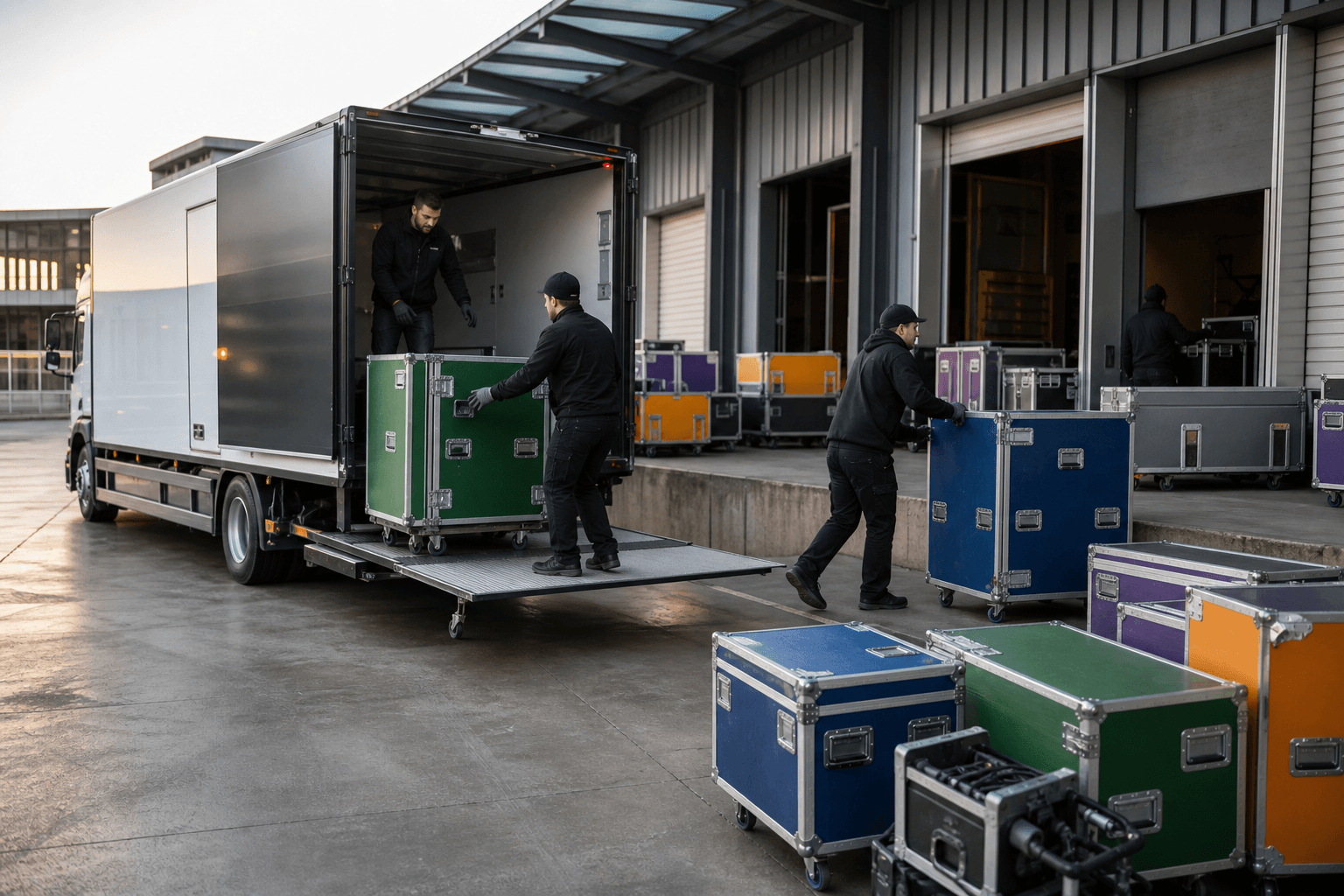
05 / 07
Capture mode, weight, distance and trip count for production and supplier movements.
Review logistics inputs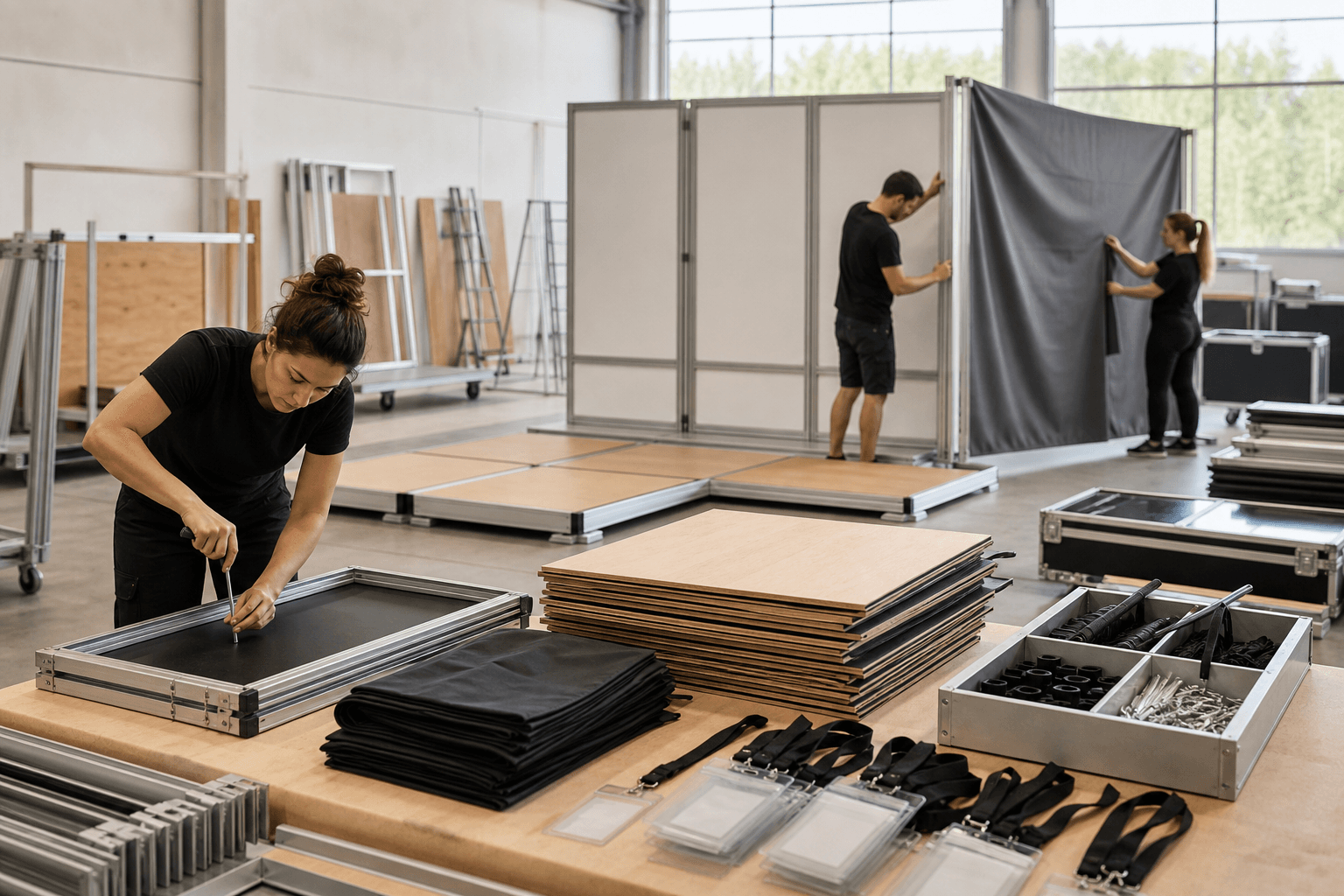
06 / 07
Record print, badges, staging, signage, booths and reusable material shares.
Review production reductions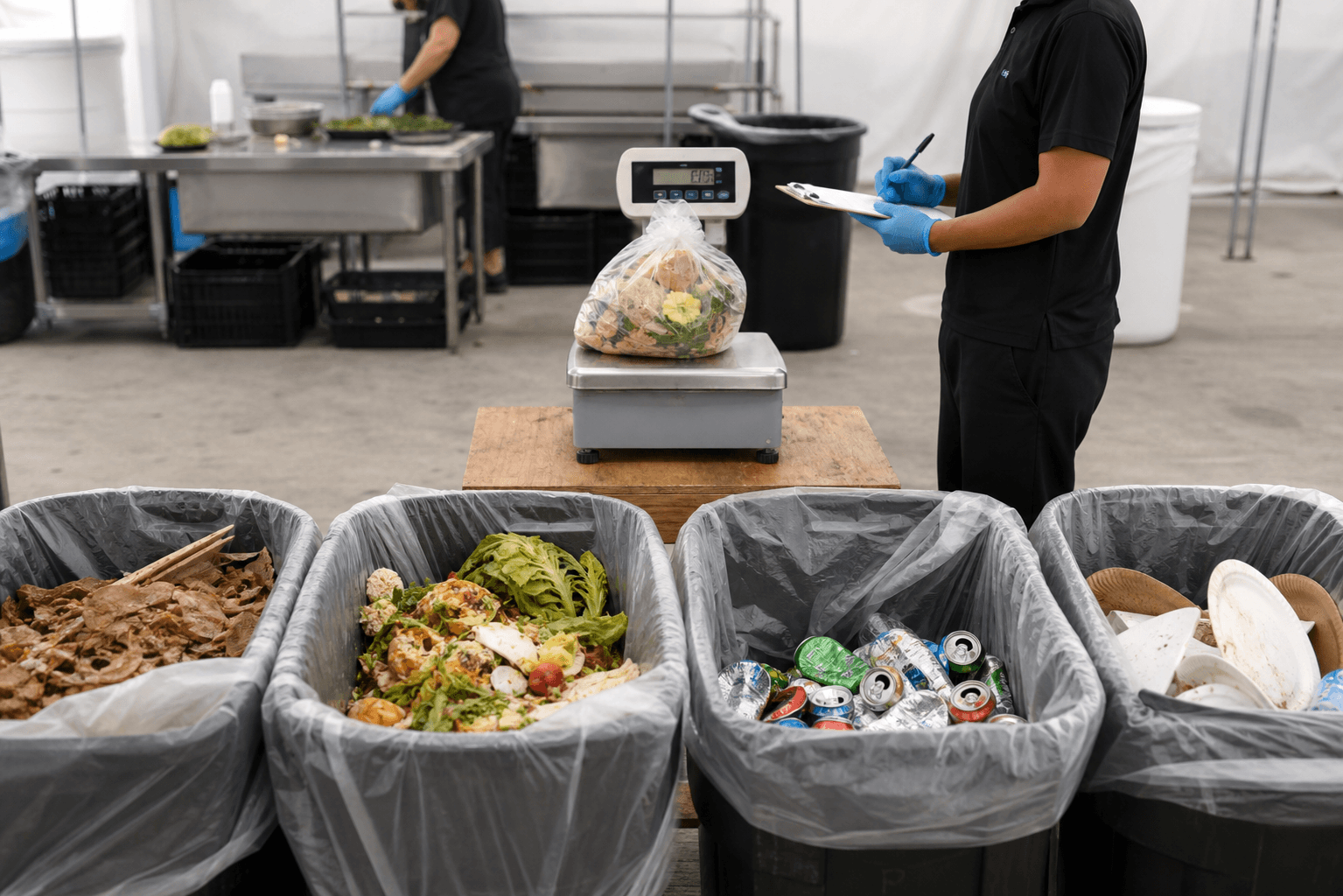
07 / 07
Distinguish food, landfill, recyclable and composted streams using actual or proxy data.
Review waste inputs01 / 07
Record local, domestic and international journeys by transport mode and distance.
Review travel inputs02 / 07
Use meter data where available or a documented venue-size and operating-hours proxy.
Review methodology03 / 07
Calculate room nights by accommodation type and recorded event stay patterns.
Review accommodation inputs04 / 07
Account for meals, beverage service, menu type and relevant attendee volumes.
Review catering reductions05 / 07
Capture mode, weight, distance and trip count for production and supplier movements.
Review logistics inputs06 / 07
Record print, badges, staging, signage, booths and reusable material shares.
Review production reductions07 / 07
Distinguish food, landfill, recyclable and composted streams using actual or proxy data.
Review waste inputs01 / 07
Record local, domestic and international journeys by transport mode and distance.
Review travel inputs02 / 07
Use meter data where available or a documented venue-size and operating-hours proxy.
Review methodology03 / 07
Calculate room nights by accommodation type and recorded event stay patterns.
Review accommodation inputs04 / 07
Account for meals, beverage service, menu type and relevant attendee volumes.
Review catering reductions05 / 07
Capture mode, weight, distance and trip count for production and supplier movements.
Review logistics inputs06 / 07
Record print, badges, staging, signage, booths and reusable material shares.
Review production reductions07 / 07
Distinguish food, landfill, recyclable and composted streams using actual or proxy data.
Review waste inputsPlatform workflow preview
Realistic sample values show how calculation, allocation and retirement states remain distinct.
Estimated emissions
53.4 tCO₂e
Reduction planned
12.6 tCO₂e
Residual emissions
40.8 tCO₂e
Credits required
41 credits
Credits purchased
41 credits
Credits allocated
41 credits
Credits retired
0 credits
Attendee contributions
126 records
Net-zero completion status
Pending retirement evidence

Event reporting
On-screen and PDF output share a structured sequence from event boundaries through final status.
Executive summary
Event profile and boundaries
Assumptions
Emissions by category
Emissions by source
Attendee travel analysis
Create the event, calculate emissions, plan reductions and maintain a documented path from residual emissions to retirement.